 Skip to content

Custom Metal Stamping Dies for Stable High-Volume Production
Sundi MFG designs and manufactures custom metal stamping dies for blanking, piercing, bending, deep drawing, and progressive stamping applications.
From single-station dies to progressive and transfer dies, we build tooling based on your part drawings, material specifications, and production requirements to support reliable, efficient stamping production.
-
Custom stamping dies engineered for accuracy, durability, and stable production performance.
-
Progressive, transfer, and single-station die solutions for a wide range of sheet metal parts.
-
Complete support from die design and manufacturing to trial runs and production validation.
- Quote in 8h
- 7-15 Days Lead Time
- STEP / DXF / IGES Accepted
- Strictly Confidential (NDA Supported)


Common Stamping Die Problems We Help Solve
In metal stamping, most production problems are not caused by one single part. They often come from die clearance, material flow, tool structure, surface friction, press matching, or long-term wear.
We help manufacturers improve die stability through proper die design, accurate machining, suitable tooling materials, and strict assembly control.
01
Burrs and Poor Cutting Quality
Unstable clearance, weak cutting edges, or poor die alignment can cause burrs, torn edges, rollover, and inconsistent blanking quality.
- We control cutting clearance, edge geometry, die alignment, and mating surfaces to improve shearing quality and reduce unstable burr formation.
02
Tool Wear and Short Die Life
High-speed stamping, hard materials, abrasive sheets, and poor material selection may quickly wear the die, increasing maintenance frequency and downtime.
- We select suitable tool steel, carbide, heat treatment, and coating options based on material thickness, stamping speed, and expected production volume
03
Galling and Material Sticking
Stainless steel, aluminum, copper, and coated sheet materials may cause sticking, scratches, and surface damage during forming or drawing.
- We optimize contact surfaces, polishing, lubrication area, and optional coatings to reduce friction and support smoother material flow.
04
Unstable Dimensions in Mass Production
Part variation may come from die deflection, poor strip control, inaccurate guiding, weak inserts, or unstable forming conditions.
- We review die structure, guiding accuracy, station layout, and assembly fitting to support more consistent output during continuous production.
Metal Stamping Dies by Structural Complexity
Different stamped parts require different die structures. We manufacture custom stamping dies based on your part shape, material, tolerance, production volume, and press condition.
Whether your project needs a simple blanking die or a complex multi-station progressive die, our engineering team can help review the structure and manufacture the tooling according to your drawings.
- Strictly Confidential (NDA Supported)

Single Station Dies
Single station dies perform one operation per press stroke, such as blanking, piercing, bending, or simple forming.
They are suitable for simple parts, prototype tooling, low-volume production, and replacement tooling projects where cost and delivery time are important.

Compound Dies
Compound dies complete multiple cutting operations in one press stroke at the same station.
They are commonly used for flat stamped parts that require accurate outer profiles and inner holes, helping improve part consistency and production efficiency.

Progressive Dies
Progressive dies process metal strip through multiple stations, with each station completing one operation step.
They are ideal for high-volume production of terminals, connectors, lead frames, clips, brackets, and other precision stamped parts.

Transfer Dies
Transfer dies move the workpiece between different stations for forming, drawing, trimming, piercing, or shaping.
They are suitable for larger, deeper, or more complex parts that require controlled handling between each forming stage.
Metal Stamping Processes We Support
We manufacture custom metal stamping dies for blanking, piercing, bending, deep drawing, drawing, embossing, and coining applications.
Manual dies and hand-fed stamping dies are also available for low-volume, prototype, and special stamping projects, including cutting dies, deep drawing dies, bending dies, and coining dies.
-

Blanking & Piercing Dies
Used to cut outer profiles, blanks, holes, slots, and openings in sheet metal parts. We build blanking, piercing, and custom cutting dies with controlled clearance to help reduce burrs and improve part accuracy.
-

Bending Dies
Used to form sheet metal into V, U, L, or custom angle profiles. Our bending dies are designed for angle accuracy, springback control, and stable forming performance.
-

Deep Drawing Dies
Used to form sheet metal into cup-shaped, shell-shaped, or deeper drawn parts. We focus on material flow, wrinkle control, surface quality, and forming stability.
-

Drawing Dies
Used for shallow drawing and forming applications where smooth material movement is required. Suitable for parts that need stable shape control with less thinning or surface damage.
-

Embossing Dies
Used to create raised or recessed patterns, ribs, marks, logos, or functional surface features. We produce embossing dies according to your 2D or 3D design requirements.
-

Coining Dies
Used for high-pressure forming to create fine details or control local material thickness. We manufacture coining dies for tight dimensions, clear surface definition, and repeatable results.
Not Sure Which Stamping Die Fits Your Project?
Send your part drawing or sample details to Sundi MFG.
Our engineering team will review your material, part shape, tolerance, production volume, and press requirements to recommend a practical stamping die solution.
Applications of Metal Stamping Dies
Metal stamping dies are widely used to produce sheet metal parts with stable dimensions, repeatable quality, and efficient production output.
Sundi MFG manufactures custom stamping dies for automotive, electronics, semiconductor packaging, electrical components, home appliances, industrial hardware, and precision sheet metal applications.
Electrical Connectors & Terminals
Precision stamping dies are commonly used for connector terminals, contact springs, electrical contacts, and small conductive parts.
These applications require accurate clearance, clean cutting edges, stable strip feeding, and consistent part quality.

Semiconductor & Lead Frame Tooling
Metal stamping dies are also used in semiconductor packaging and lead frame production, where small features, sharp cutting edges, and repeatable accuracy are critical.
Sundi MFG supports precision tooling for lead frames, terminals, tie bar cutting, dambar cutting, gate cutting, and other IC packaging-related stamping applications.

Automotive Components
Metal stamping dies are used to produce brackets, clips, covers, terminals, shielding parts, and other automotive metal components.
These projects often require stable dimensions, reliable forming quality, and durable tooling for long production runs.

Consumer Electronics Parts
For electronic housings, shielding covers, contact parts, and small metal frames, stamping dies help maintain consistent quality in mass production.
We can review your part drawing and recommend a suitable die structure based on material thickness, tolerance, and production volume.

Home Appliance Components
Metal stamping dies are used for appliance brackets, panels, mounting plates, covers, and formed sheet metal parts.
These projects usually require stable forming, controlled burrs, and reliable die performance during continuous production.

Precision Sheet Metal Parts
Stamping dies are suitable for producing clips, washers, plates, hooks, hinges, brackets, and other functional metal parts.
We support both simple die structures and more complex tooling solutions depending on the part shape, production volume, and tolerance requirements.

Stamping Die Manufacturing Capability
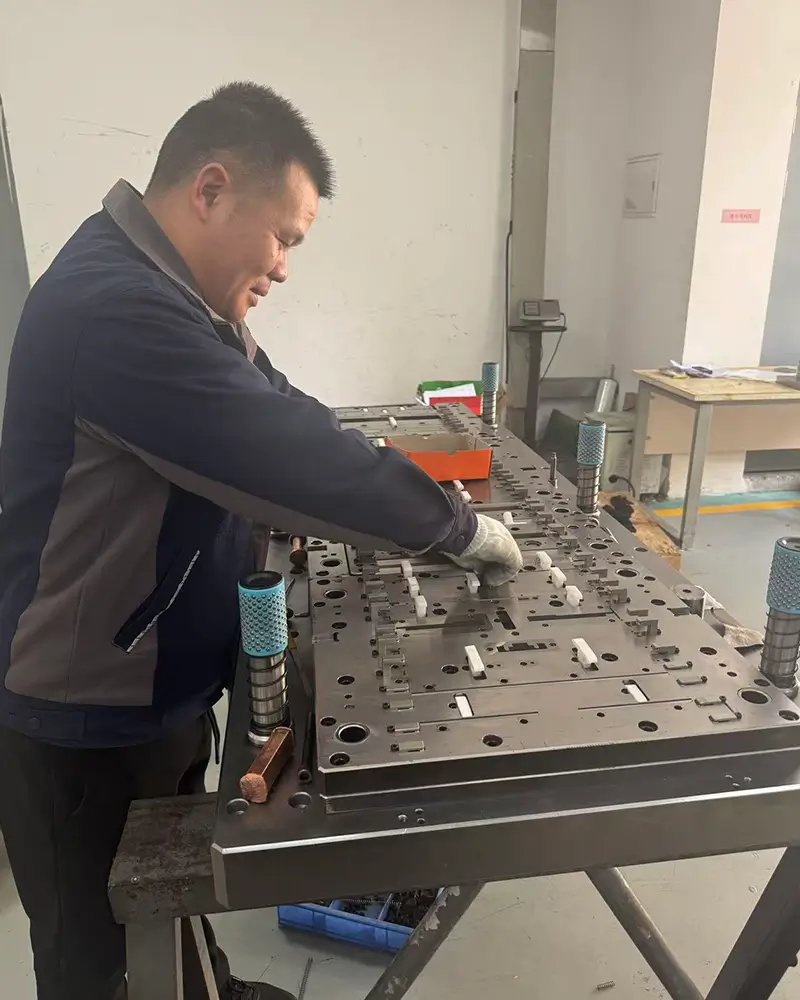
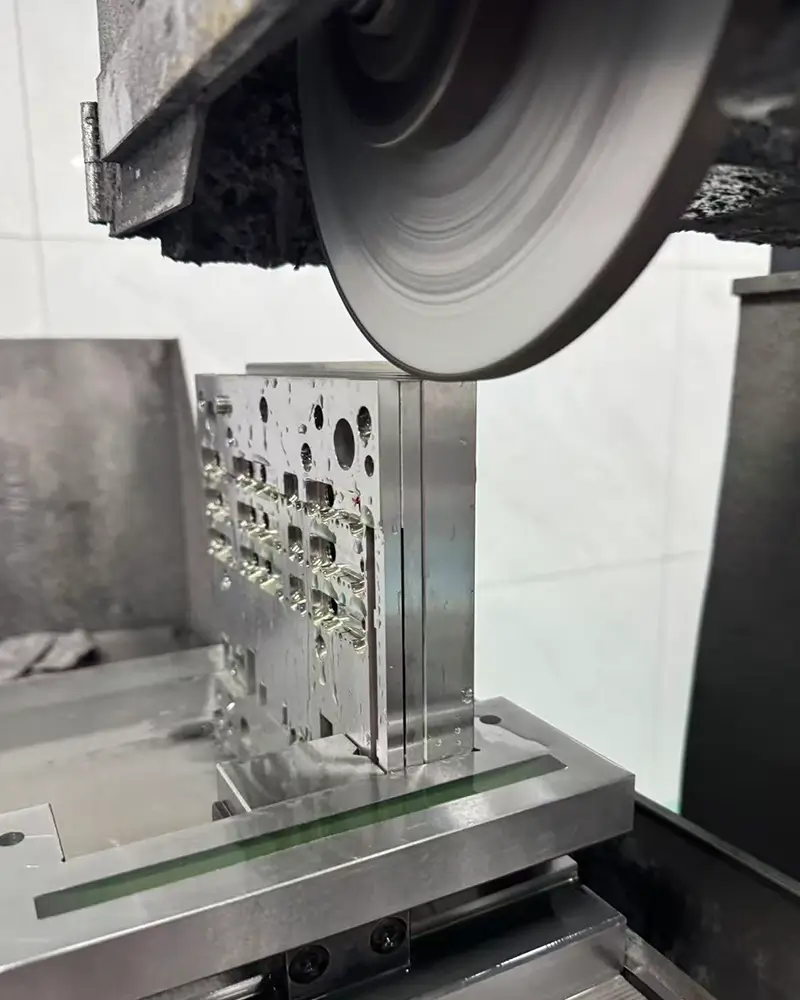
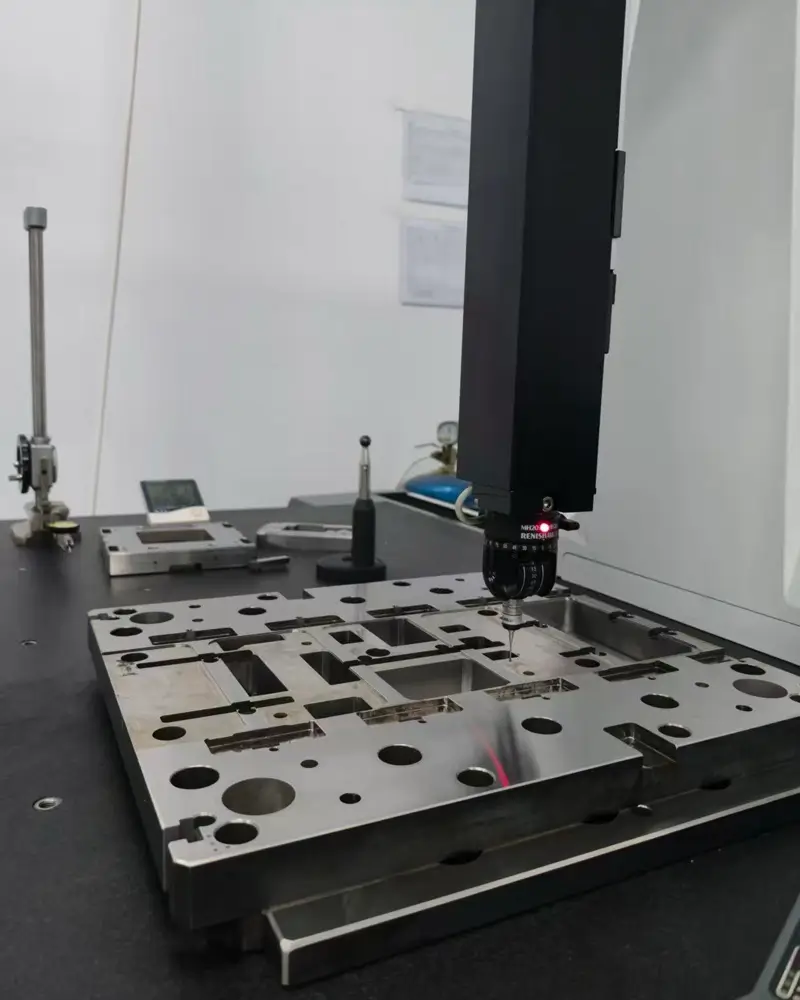
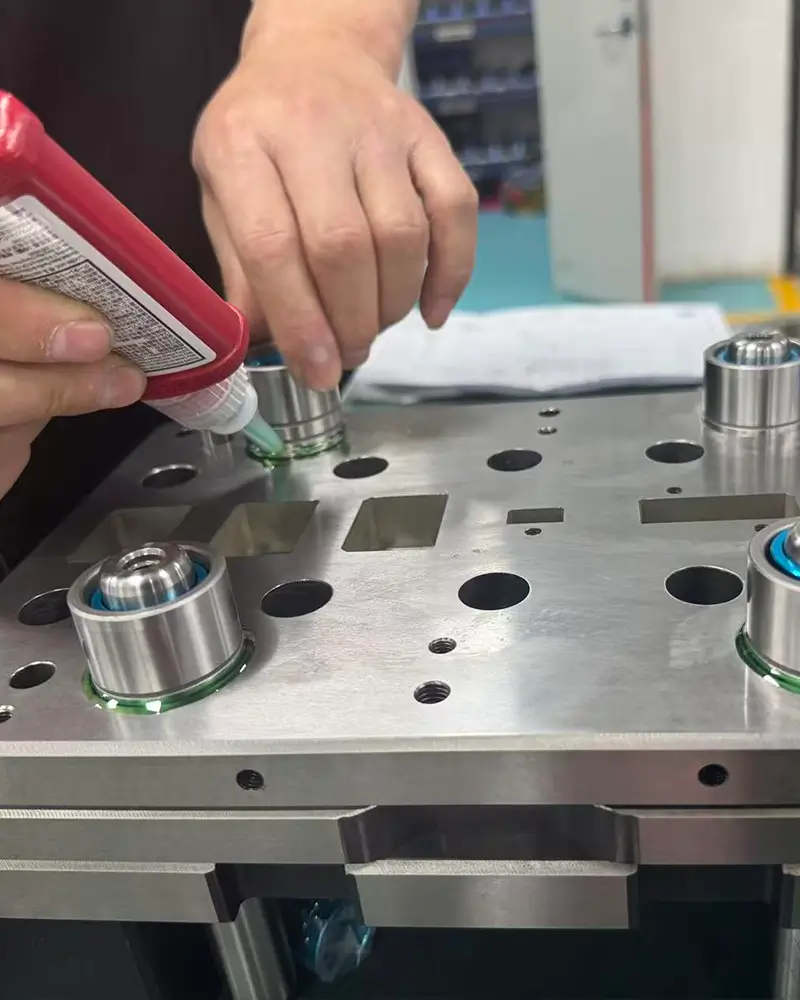
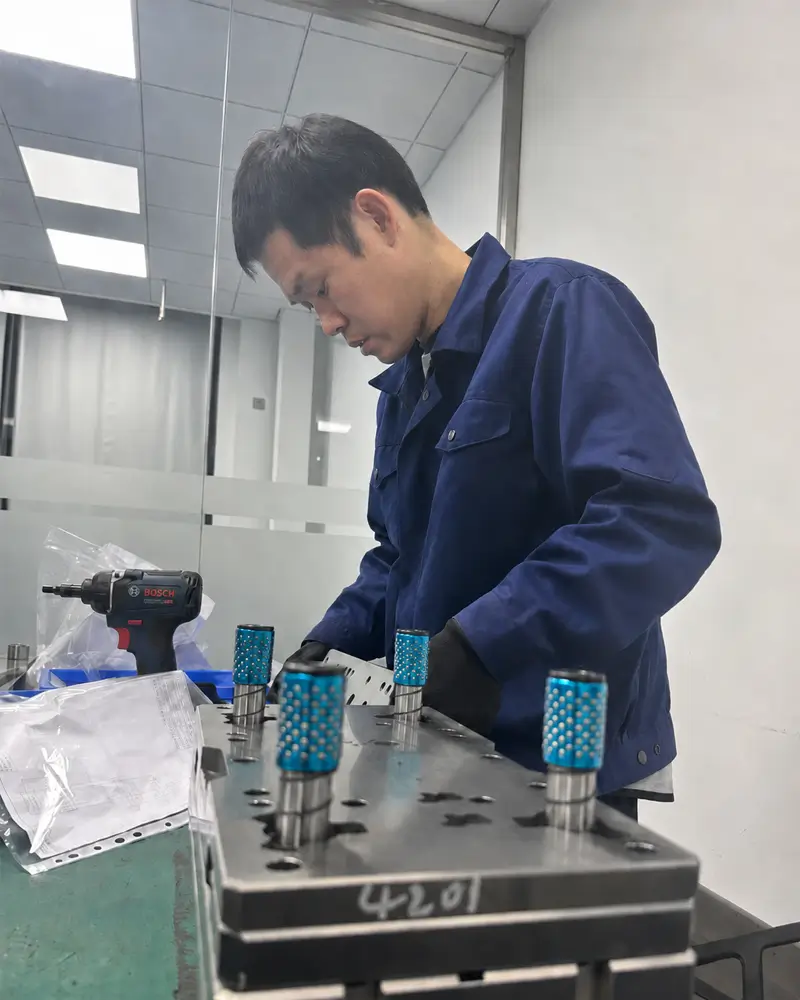
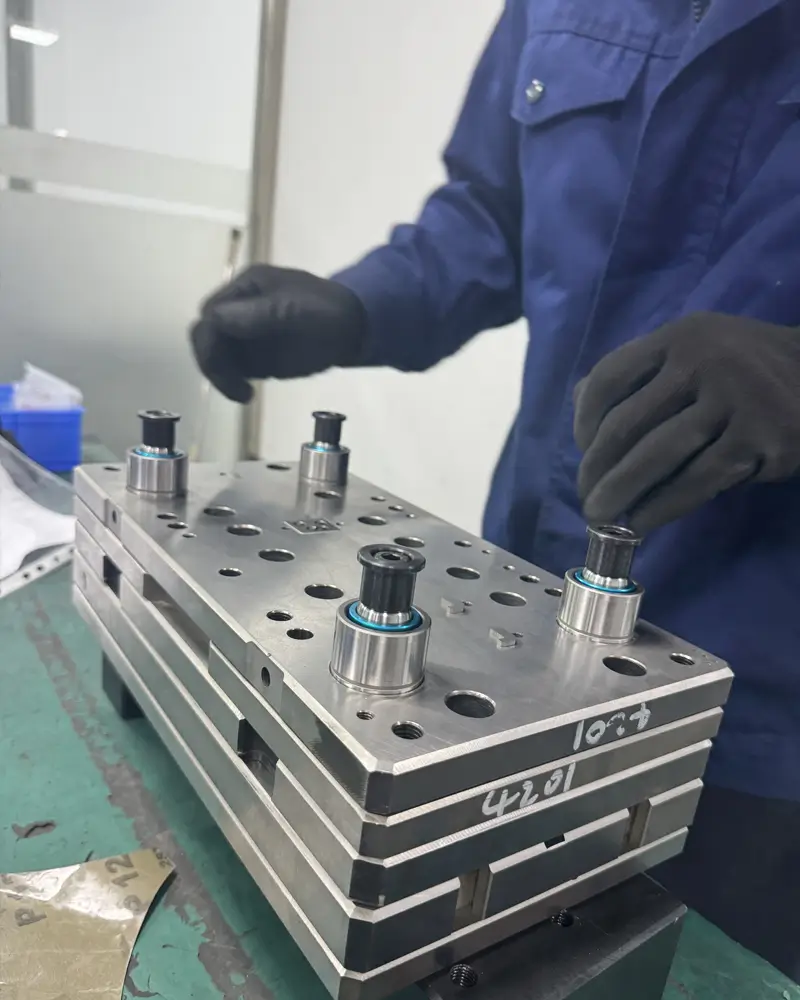
Sundi MFG supports custom metal stamping die manufacturing from drawing review and die structure discussion to machining, assembly, inspection, and trial support.
Whether you already have complete die drawings or only stamped part drawings, our team can help review the project and recommend a practical tooling solution.
-
Single-station, compound, progressive, transfer, manual, and hand-fed stamping dies.
-
Manufacturing based on part drawings, die drawings, samples, and press requirements.
-
DFM review and optional CAE / forming feasibility support for complex stamping projects.
-
Support for blanking, piercing, bending, drawing, deep drawing, trimming, embossing, coining, and forming dies.
-
Wire EDM, Die-sinking EDM, CNC machining, precision grinding, surface finishing, die fitting, and assembly.
-
Premium carbide, tool steel, HSS, and powdered steel options for critical cutting, forming, and wear areas.
-
Coating and surface treatment selection according to stamping material, thickness, wear, and galling conditions.
-
Inspection reports can be provided based on your project requirements.
Why We Provide Engineer-Reviewed Quotes
Custom metal stamping dies require more than a quick automatic quote. Die structure, sheet material, thickness, press condition, tolerance, and production volume all affect the final tooling solution.
Our engineering team reviews each drawing before quotation to check feasibility, material selection, critical dimensions, and possible manufacturing risks.
So you receive a more accurate price, a realistic lead time, and a practical plan for your stamping die project.
Our Ordering Process
We are a direct-to-factory manufacturer, not a brokered quote platform. Every component is engineered, machined, and inspected in-house at Sundi. This ensures complete control over technical precision, production lead times, and data security from your initial drawing to final delivery.
Send RFQ
Submit your 2D/3D CAD models and technical specifications via our secure online form or direct email.
Review & Quote
Our technical team evaluates your drawings for manufacturability and provides a detailed, data-driven quotation within 12 hours.
Confirm Order
Finalize technical parameters, confirm tolerances, and lock in the production schedule prior to contract sign-off.
Production
CAM programming is executed, and production begins across our specialized CNC, EDM, or stamping lines.
Quality Inspection
In-process dimensional checks and a comprehensive final inspection ensure all parts meet specified tolerances before leaving the floor.
Packaging & Shipping
Components are meticulously packed using dedicated protective materials to prevent transit damage and shipped globally.
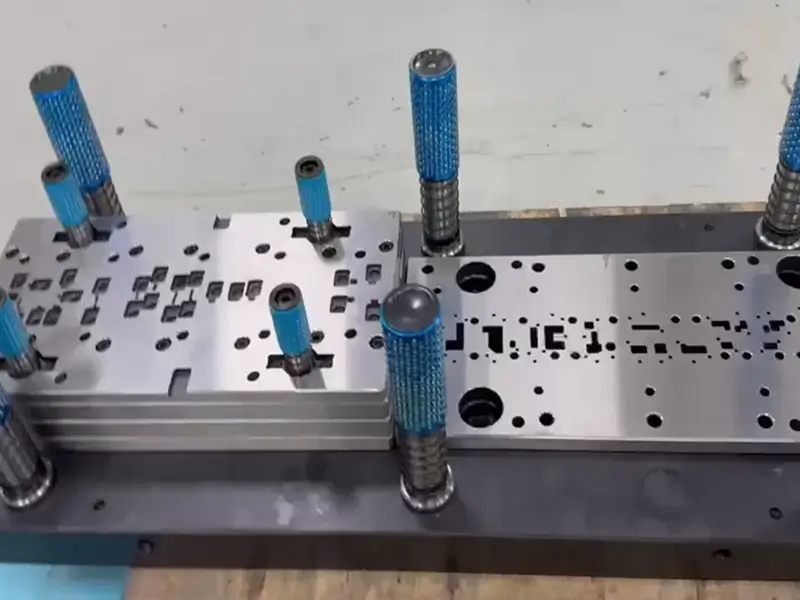
Case Presentation




FAQs
How long does Sundi MFG need to deliver a custom metal stamping die?
The typical lead time for a custom metal stamping die is 20–30 days after the drawing, material, die structure, and technical details are confirmed.
The final delivery time may vary depending on die complexity, material preparation, machining process, assembly, inspection, and trial requirements.
Is precision stamping suitable for small-batch production?
Precision stamping is usually more cost-effective for medium- to high-volume production because the initial tooling cost is relatively high.
For small-batch, prototype, or special projects, we can review whether a simpler die structure is suitable, such as a single-station die, manual die, or hand-fed stamping die, to help reduce tooling cost.
If the part does not require a dedicated stamping die, we can also discuss other manufacturing options based on your drawing and quantity.
Can Sundi MFG provide replacement wear parts for existing stamping dies?
Yes. In addition to complete metal stamping dies, we can also manufacture replacement tooling components for existing dies.
These may include punches and dies, die inserts, guide pillars, guide bushings, stripper components, wear plates, and other custom die wear parts based on your drawings or samples.
This is useful when your current die is still usable, but some critical components need replacement due to wear, chipping, dimensional change, or production maintenance.
